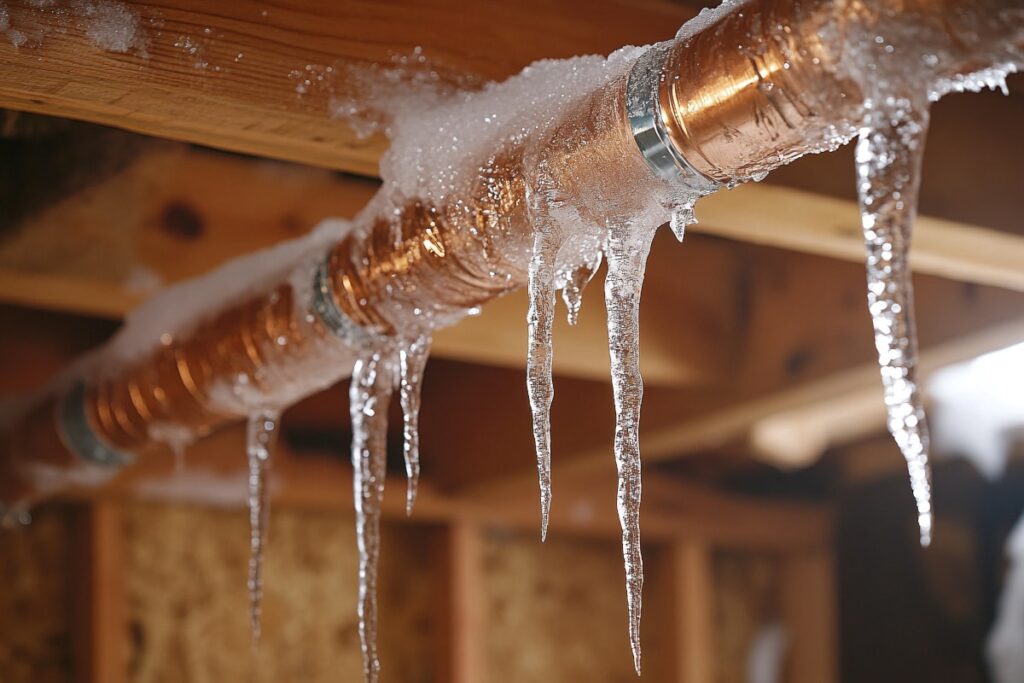
Barrie winters are no joke. With temperatures often plunging well below -20°C, combined with heavy snowfalls and sudden thaws, our local climate creates the perfect conditions for frozen pipes. For homeowners, frozen pipes are more than an inconvenience—they’re a serious threat that can lead to burst pipes, flooding, mold growth, and thousands of dollars in water damage.
At Emergency Plumber Barrie, we’ve seen firsthand how devastating frozen pipes can be. Here’s everything you need to know about why pipes freeze, how to prevent it, and what to do if it happens in your home.
Why Frozen Pipes Are a Big Problem in Barrie
- Extreme Cold: Barrie regularly experiences long cold snaps, with temperatures low enough to freeze water in unprotected pipes within hours.
- Older Homes: Many houses in areas like Allandale, East End, and Downtown Barrie were built decades ago with less insulation, making their pipes more vulnerable.
- Lake Simcoe Effect: Homes closer to the lake often deal with increased moisture, which can worsen the impact of freezing and thawing cycles.
- Basement & Crawlspace Risks: Many local homes have unfinished basements or crawlspaces where exposed plumbing runs directly against cold exterior walls.
 Local insight: Frozen pipes aren’t just a rural problem—urban neighborhoods in Barrie see just as many emergencies due to aging infrastructure and cold drafts.
Which Pipes Are Most at Risk?
Not all pipes freeze equally. The most vulnerable are:
- Outdoor plumbing – Hose bibs, garden spigots, and sprinkler systems.
- Exposed pipes in unheated areas – Garages, crawlspaces, unfinished basements, and attics.
- Pipes near exterior walls – Especially in kitchens and bathrooms where plumbing runs inside cabinets against cold walls.
- Secondary plumbing lines – Lines to dishwashers, washing machines, or utility sinks in colder rooms.
Tip: If you’ve had frozen pipes once, those same spots are at the highest risk every winter.
How to Prevent Frozen Pipes in Barrie
1. Insulate Pipes Properly
Use foam pipe insulation sleeves or electric heat tape for exposed pipes. Pay special attention to pipes in basements, garages, or crawlspaces. Even a small amount of insulation can make the difference in subzero conditions.
2. Keep a Steady Indoor Temperature
Lowering your thermostat at night may save money on heating—but it raises the risk of freezing. Keep your home at 18°C (65°F) or higher, even while you’re away on vacation.
3. Improve Air Circulation
Open cabinet doors under sinks, especially in kitchens and bathrooms, to let warm air circulate around vulnerable pipes. This simple step helps prevent hidden freezing.
4. Seal Drafts and Cracks
Cold air can seep into your home through gaps around windows, doors, and foundations. Sealing these drafts with weatherstripping, caulking, or insulation keeps both your home warmer and your pipes safer.
5. Let Faucets Drip During Extreme Cold
Running water is harder to freeze. On the coldest nights, allow a slow trickle of water from faucets connected to at-risk pipes. This relieves pressure and prevents ruptures if pipes do freeze.
6. Shut Down and Drain Outdoor Water Lines
Disconnect hoses, shut off outdoor spigots, and drain the lines before winter. Outdoor water left in pipes is one of the most common causes of frozen pipe bursts in Barrie homes.
Warning Signs of Frozen Pipes
Recognizing the signs early can help you act before a pipe bursts:
- No water or reduced flow from faucets.
- Frost or ice visible on exposed pipes.
- Bulging or cracked pipe sections.
- Strange smells coming from drains (indicating blocked pipes).
What to Do If Your Pipes Freeze
If you suspect frozen pipes, act fast:
- Shut off the water supply – Use the main shut-off valve to prevent pressure buildup.
- Locate the frozen section – Look for visibly frosted or cold sections of pipe.
- Apply safe heat – Use a hairdryer, heating pad, or warm towels. Start from the faucet and work backward.
- Do NOT use open flames – Torches and space heaters can cause fires or damage pipes.
- Call a licensed plumber immediately – If pipes are cracked, or you can’t thaw them safely, you need professional help.
Professional Frozen Pipe Solutions in Barrie
At Emergency Plumber Barrie, we provide long-term protection for homeowners, including:
- Pipe Insulation Installations – Adding foam or fiberglass insulation in basements and crawlspaces.
- Pipe Relocation – Moving vulnerable pipes away from exterior walls.
- Backup Heating Options – Installing heat cables for at-risk pipes.
- Plumbing System Inspections – Identifying hidden risks before the deep freeze.
Final Thoughts
Frozen pipes are one of the most common and expensive plumbing emergencies in Barrie. The best defence is prevention: insulating pipes, keeping steady heat, and calling a licensed plumber for inspections. If the worst happens, acting quickly can minimize damage.
At Emergency Plumber Barrie, we’re here 24/7 to handle frozen pipes, burst pipes, and winter plumbing emergencies. Whether you live in Barrie, Innisfil, Midhurst, Oro-Medonte, Essa, or Springwater, our local team is ready to protect your home.
 Call Emergency Plumber Barrie 1-833-201-7755 today for frozen pipe prevention, repair, and emergency services this winter.